Deloraine sits against the imposing backdrop of the Great Western Tiers, a region historically known for conventional sheep and dairy production. Over recent decades, the agricultural landscape around this Meander Valley town has experienced a deliberate shift.
Independent producers increasingly focus on niche, ecologically conscious food enterprises. The transition brings fresh energy to the local economy, attracting visitors looking for high-quality Tasmanian produce. One prominent example operates on Montana Road, where a family-owned business has built a successful alternative model for aquaculture.
Transforming the local landscape
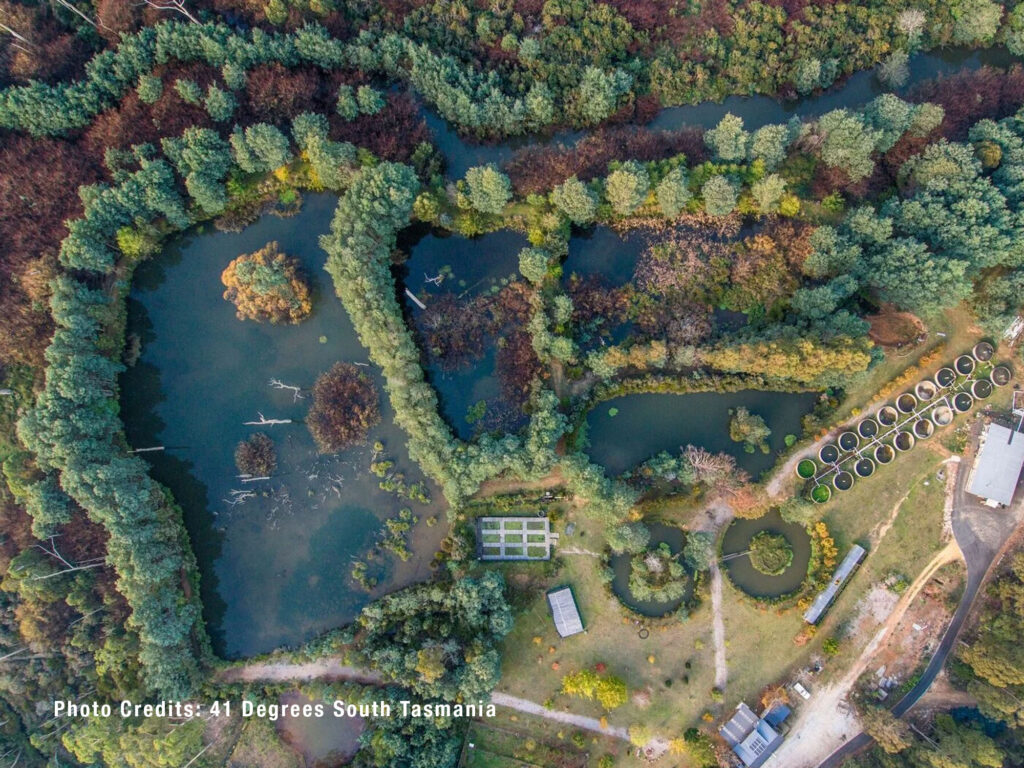
Operating since 1998, 41 Degrees South functions as an inland salmon farm and ginseng nursery. The site did not begin as pristine wilderness. The founders originally purchased land heavily overgrown with invasive willow and gorse scrub.
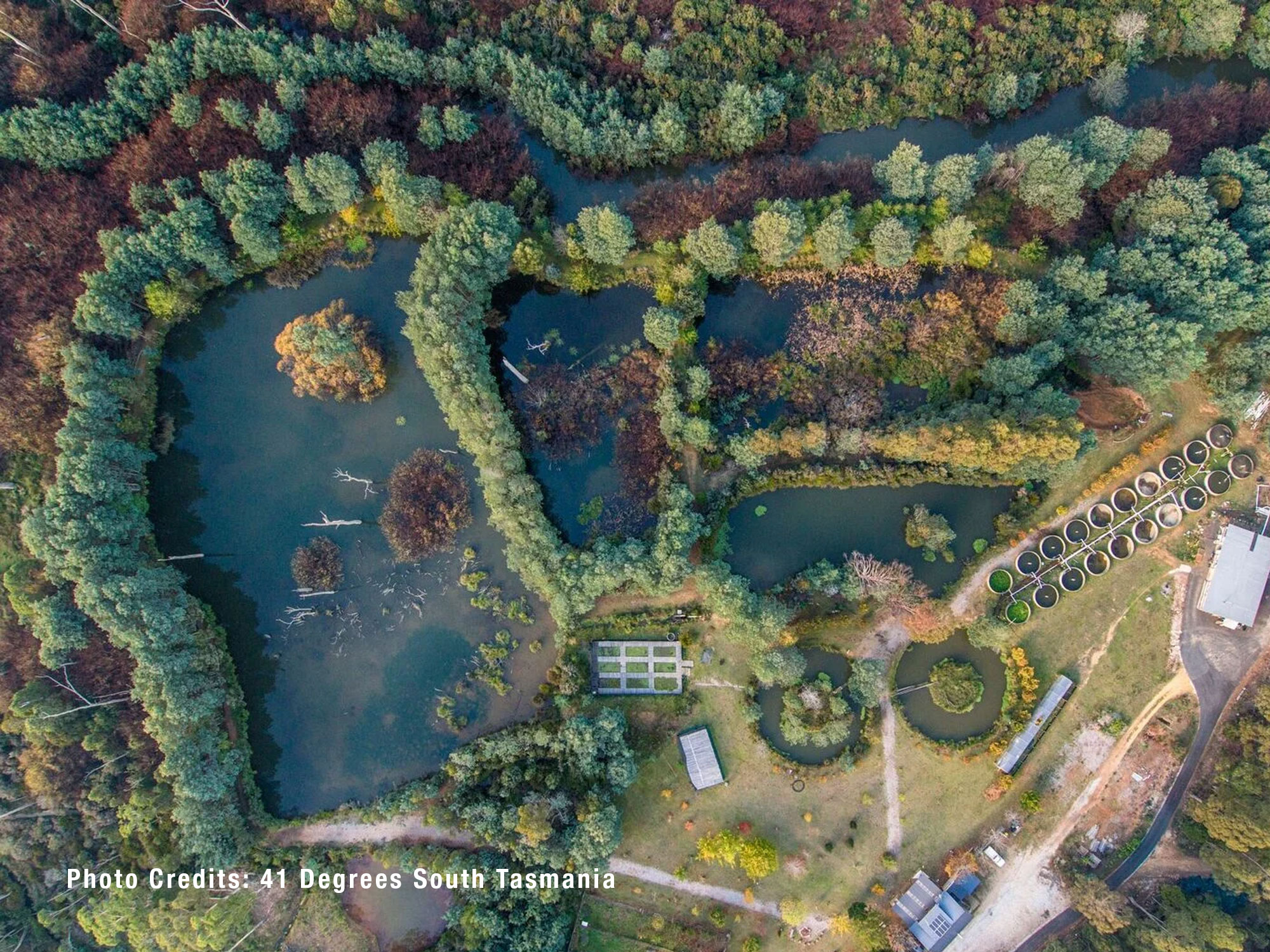
Through careful environmental engineering, they spent years transforming the degraded property into a functional wetland ecosystem. Today, a patchwork of freshwater ponds, dykes, and marshes forms a natural biofilter along the Western Creek Rivulet.
Cultivating a natural biofilter
This wetland system cleans and recirculates water for the fish, ensuring the commercial operation relies on natural processes rather than industrial chemical interventions. The farm raises its salmon in fresh water without the use of antibiotics.
According to the Neighbours of Fish Farming organisation, 41 Degrees South stands out as a rare boutique inland farm with a strong ethical and environmental foundation. The surrounding wetlands serve a crucial dual purpose, maintaining water quality for the aquaculture operation while attracting a wide variety of native bird species.
Connecting produce with people
The business connects agricultural production directly with hospitality. Visitors arriving at the property find an immersive, educational food experience. Guests take self-guided walking tours along boardwalks to observe how the water flows seamlessly through the biofilter system.
This transparency allows consumers to understand exactly how their food grows. Guests also learn about the medicinal properties of the ginseng cultivated on the property, adding another layer to the agricultural experience.
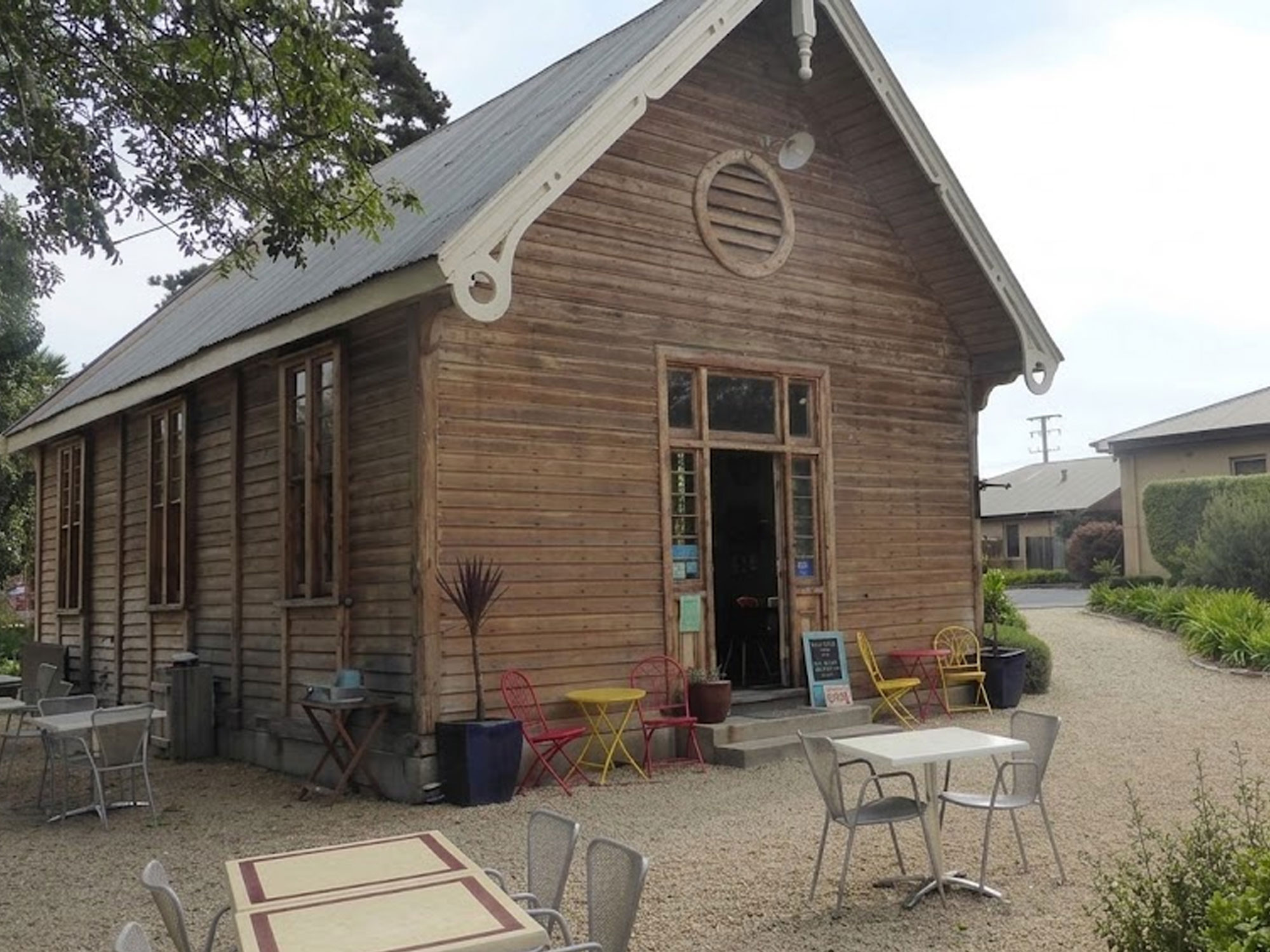
At the onsite eatery, Georgie’s Cafe, the family serves hot-smoked salmon, salmon burgers, and ginseng products directly to the public. The hot-smoking process adds a rich, distinct flavour to the fresh fish, creating a highly sought-after product.
Diners can enjoy a meal under the trees, experiencing the direct link between the restored landscape and the final culinary product. As noted by regional tourism resource My Guide Tasmania, the farm provides a peaceful environment where the changing seasons bring different wildlife to feed, breed, and nest.
This operation represents a meaningful movement across northern Tasmania. By prioritising ecological health, natural water management, and direct-to-consumer hospitality, specialty producers in Deloraine demonstrate a sustainable path forward. They prove that agricultural businesses can remain viable and popular while actively improving the natural landscape they inhabit.